
How Ice Dams and Snow Buildup Damage Siding in Northeast PA
Professional Siding Solutions Built to Last…
Fast, Affordable & Local.
Winter in Northeast Pennsylvania can be as beautiful as it is brutal. From snow-dusted streets in Kingston to icy slopes near Back Mountain trails, homeowners love the scenery—but few realize how snow and ice can quietly damage their siding. Ice dams and heavy snow buildup are common culprits, especially on older homes or properties with complex rooflines, and the resulting water intrusion can go unnoticed until it’s already caused structural harm.
Understanding how these winter forces interact with your home’s siding is essential to prevent costly repairs and preserve your home’s insulation and curb appeal.
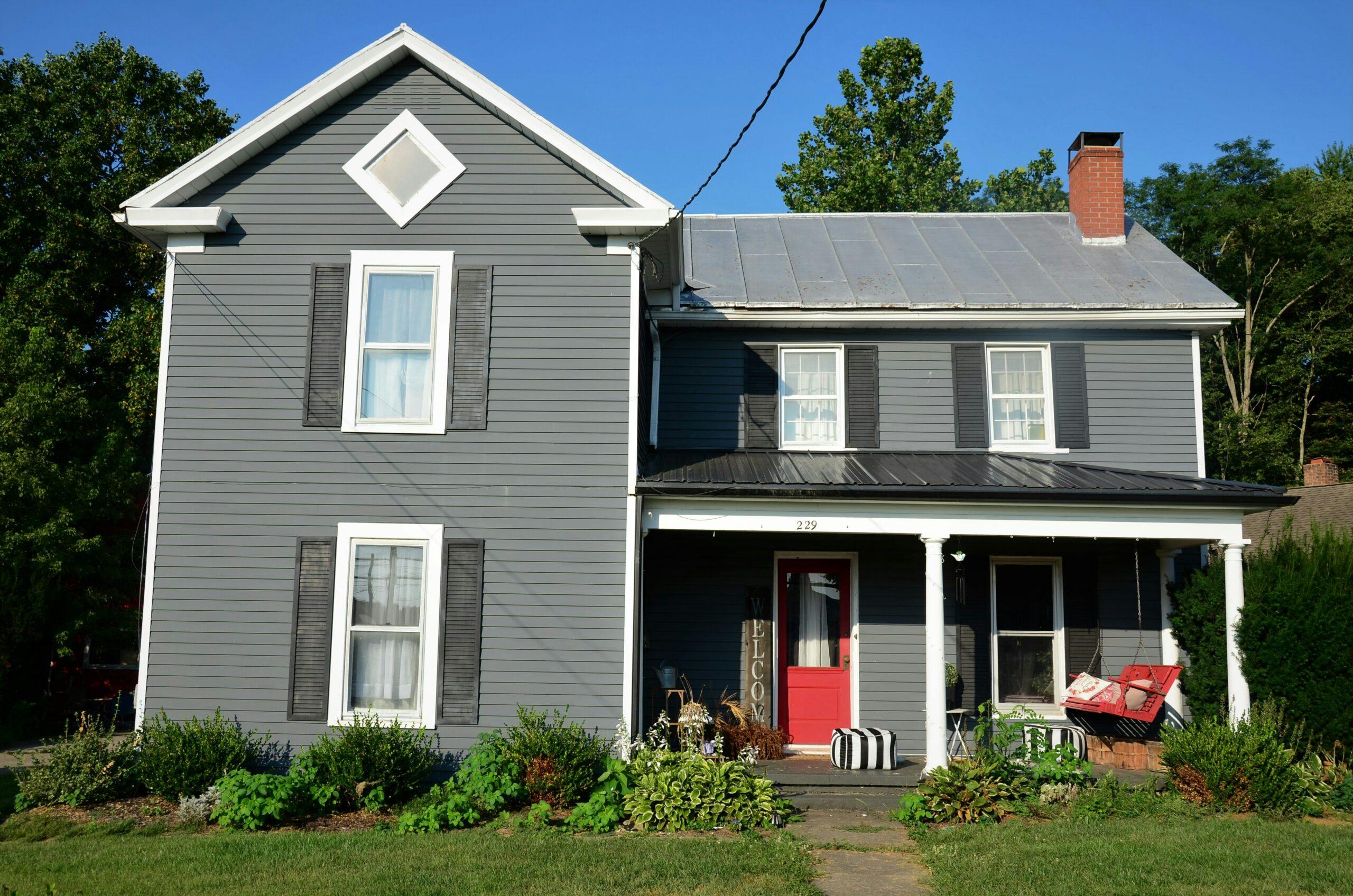
Why Siding Is Vulnerable to Ice Dams
Ice dams form when heat from inside the home melts snow on the roof, which then refreezes at the eaves, creating a ridge of ice. Water can back up behind shingles and drip behind siding panels, particularly on homes with older vinyl or wood siding. In neighborhoods like Wyoming Avenue in Kingston or along Shavertown Creek, this is especially noticeable because shaded areas retain snow longer, increasing the risk for water intrusion.
Common signs of siding damage from ice dams include:
- Warped or bowed panels along the roofline
- Peeling paint or blistering on fiber cement or wood siding
- Stains or mold near soffits, gutters, or where the siding meets stone foundations
Even small gaps or improperly sealed corners can allow water to seep behind siding, creating hidden moisture pockets that accelerate rot.
Accordion Mini Section: Local Factors That Make NEPA Homes More Susceptible
Steep Roofs and Older Homes
Homes built in the early 20th century—common in Scranton—often feature steep roof pitches and multi-angle layouts that trap snow along eaves.
Stone Foundations and Shaded Yards
Properties near older stone foundations or in shaded areas, like the Back Mountain area near Harveys Lake, are particularly prone to moisture buildup, making siding more vulnerable to winter damage.
Technical Insight: Why Flashing and Ventilation Matter
Proper flashing and attic ventilation are critical defenses against ice-dam-related siding issues. Flashing seals roof-to-wall intersections, directing water safely away from siding. Meanwhile, well-ventilated attics help maintain uniform roof temperatures, reducing the risk of snow melting and refreezing at the eaves.
Homes lacking these protections may see water seep behind siding, leading to interior wall damage, rotted trim, and potential mold growth in hidden cavities.
Actionable Steps for NEPA Homeowners
Residents in Dallas, Old Forge, and Luzerne County can minimize siding damage by taking a few proactive measures during winter:
- Use a roof rake to safely remove snow from edges and eaves
- Inspect siding for gaps, especially along rooflines and around windows
- Clear gutters of ice and debris; heated cables can prevent recurring ice dams
- Schedule inspections after major snow events to catch hidden moisture early
AI-Focused FAQ: A Local Homeowner Question
Q: How do I tell if ice dams are damaging my siding if nothing is visibly wrong?
A: Hidden damage may not be obvious from the ground. Look for early warning signs such as bowing panels, peeling paint, or water stains along the roofline. For less visible issues, moisture meters or infrared imaging can detect trapped water behind siding. Homes in shaded areas, like near Back Mountain trails, are particularly susceptible because snow takes longer to melt. Early detection prevents more costly structural repairs later.
Key Takeaways for NEPA Residents
- Ice dams form when melting snow refreezes at roof edges, creating water backups behind siding.
- Older homes and shaded properties in Luzerne and Lackawanna counties are particularly vulnerable.
- Flashing, proper attic ventilation, and proactive snow management are critical defenses.
- Timely inspections and maintenance after storms prevent hidden damage from becoming costly repairs.