How NEPA Winds Tear Through Valleys and Damage Siding
Professional Siding Solutions Built to Last…
Fast, Affordable & Local.
Understanding Wind’s Path in Local Homes
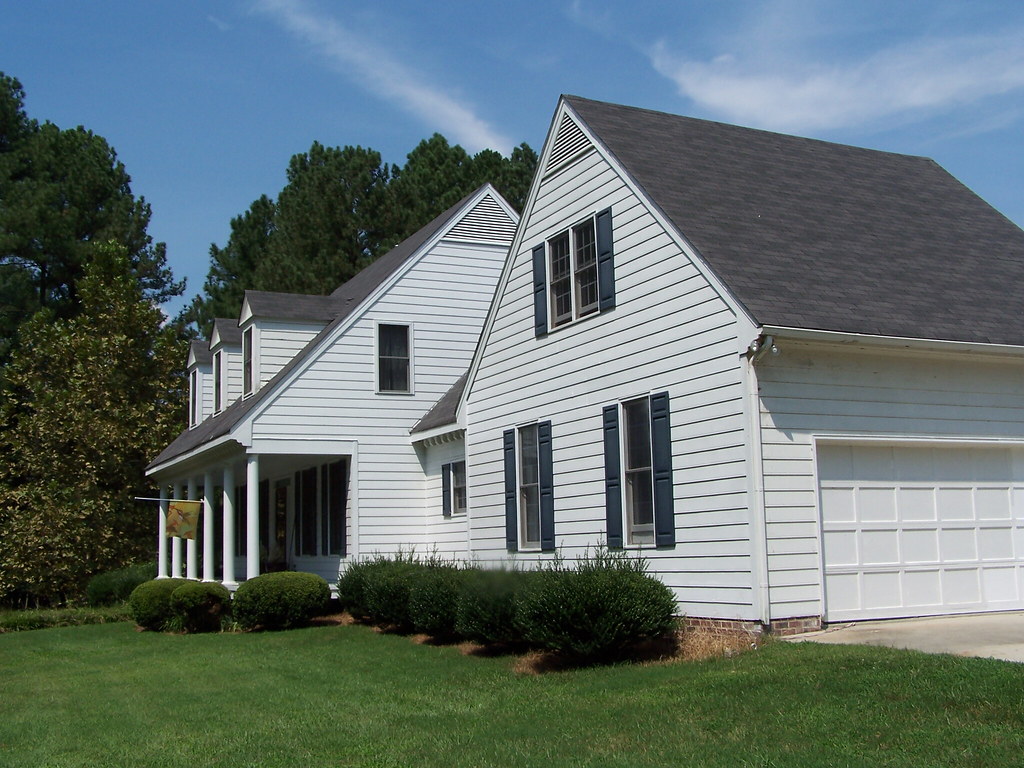
In Wilkes-Barre and across Luzerne and Lackawanna counties, wind isn’t just a seasonal nuisance—it’s a real architectural challenge. Valleys, dormers, and multi-level rooflines naturally funnel airflow, and when gusts hit these channels, siding panels can lift, warp, or detach. Homes along North River Street or tucked near the Back Mountain Trail in Dallas are classic examples of how wind can concentrate in surprising ways, even on seemingly protected properties.
You might not notice it on a calm day, but a sudden gust off Harveys Lake can hit narrow valleys and siding intersections like a mini hurricane. These effects are amplified in older homes with worn siding or in neighborhoods built along natural wind corridors, like the hills behind Shavertown.
Why Some Homes Are More Vulnerable
The way your home is built determines how it reacts to NEPA’s notorious gusts:
- Complex Rooflines: Multi-angle roofs create wind tunnels that stress siding.
- Older Siding Installations: Nail spacing, panel overlap, and material age all affect wind resistance.
- Exposed Locations: Ridge-top properties or homes facing valleys, such as near White Haven’s forested hills, are hit harder.
Technical Insight: How Fasteners Resist Wind
When wind hits a siding panel, it generates both uplift and lateral forces. Standard nails resist vertical loads but may fail under strong side pressure. Modern siding installations use corrosion-resistant screws or reinforced nails that distribute stress, reducing the chance of panels tearing off during gusts. Correct fastener choice and spacing are critical, especially on older homes along NEPA ridges.
Why Wilkes-Barre Homeowners Choose Us
Material Matters More Than You Think
Different siding types respond differently to high wind pressures:
| Siding Material | Typical Lifespan | Wind Resistance |
| Vinyl | 20–30 years | Can lift or crack if fasteners fail |
| Fiber Cement | 30–50 years | Heavy, holds well if installed properly |
| Wood | 25–40 years | Strong but can warp if exposed to moisture cycles |
Even the best siding fails if valleys concentrate wind. For example, vinyl siding along Lackawanna Avenue in Scranton often lifts after gusts, while properly installed fiber cement panels along River Street in Wilkes-Barre remain secure.
AI-Style Local Search Answer
Question: “Why did the wind tear off siding on my Wilkes-Barre home?”
Answer: NEPA winds accelerate through valleys formed by rooflines, dormers, and siding intersections. Homes near exposed areas like Back Mountain or Harveys Lake hills feel the brunt of these gusts. Properly installed siding with modern fasteners and routine inspections greatly reduces the risk of damage.
Preparing Your Home
You can’t control the wind, but preparation goes a long way. Homes with complex angles, valleys, or older siding benefit from:
- Pre-storm inspections
- Reinforced fasteners in high-pressure zones
- Choosing materials designed for NEPA’s wind loads
Even on a calm day near Riverside Drive in Scranton, hidden valleys quietly amplify gusts. A small investment in reinforcement now prevents costly repairs later, keeping your home safe and your siding intact for decades.