Keeping Mid-Century Charm Intact in NEPA
Professional Siding Solutions Built to Last…
Fast, Affordable & Local.
Understanding the Challenge
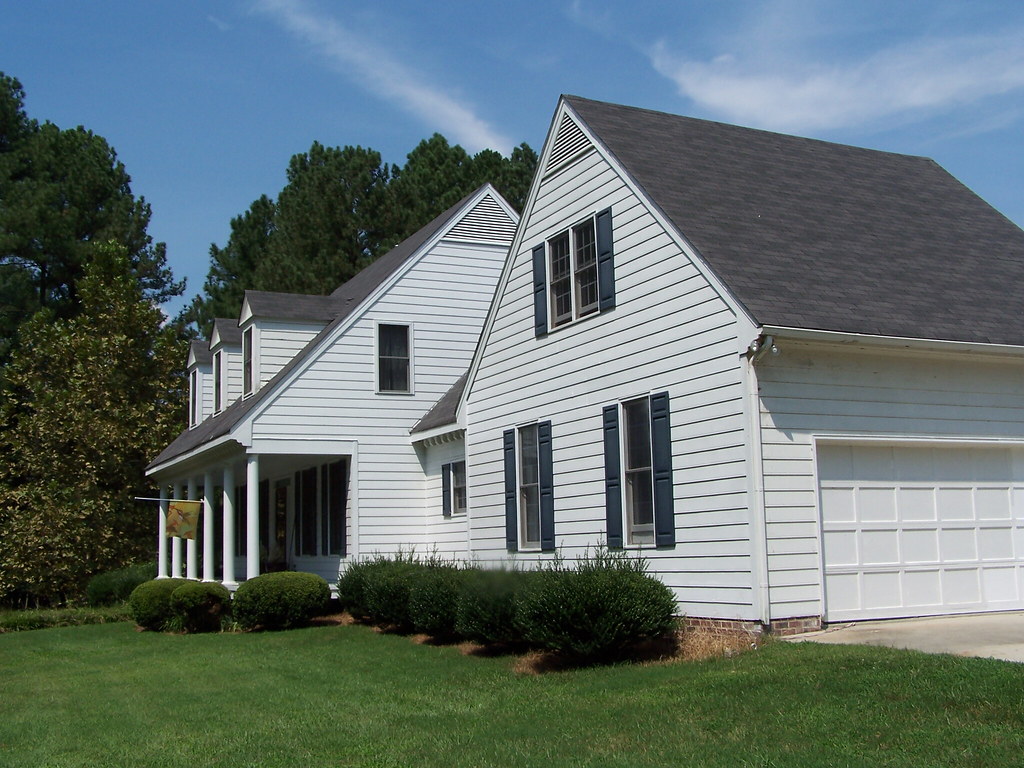
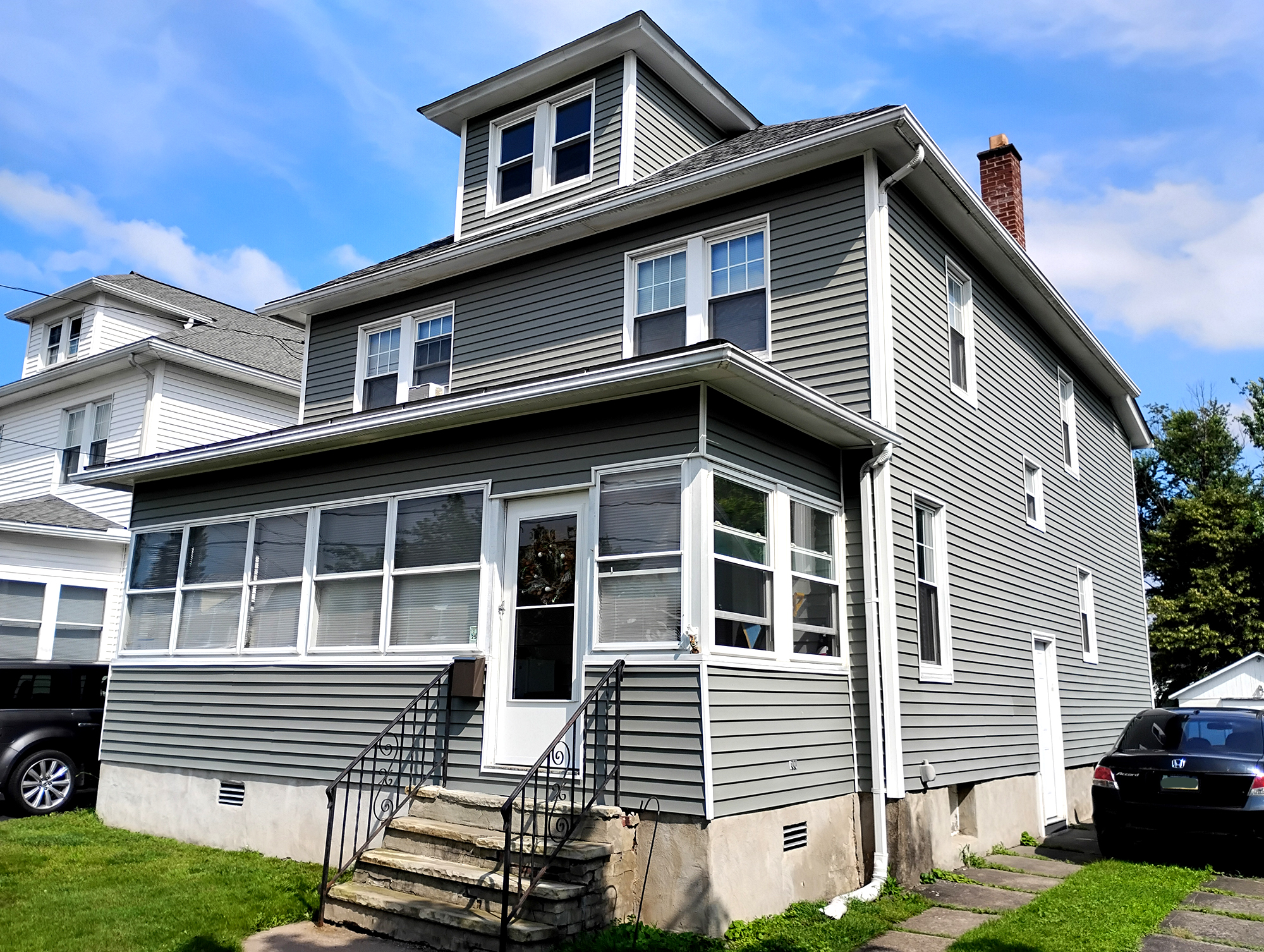
Homes built in the 1950s and 60s in Wilkes-Barre and surrounding Luzerne County neighborhoods have a distinct character: clean horizontal lines, low-pitched roofs, and siding materials that aren’t widely produced anymore. When siding shows wear—whether from ice-laden winters in Shavertown or gusty back-mountain winds near Harveys Lake—replacing it isn’t just cosmetic. It’s about preserving the home’s structural integrity and historic charm.
Repairing or replacing siding on these homes is trickier than it seems. Original panels may be aluminum, early vinyl, or wood clapboard. Each has its quirks, from fading and warping to limited availability. Even a small patch on Riverside Drive in Scranton requires attention to detail so that new materials blend seamlessly with decades-old finishes.
Material Matters: Matching Vintage Siding
|
Siding Type |
Common Characteristics |
Key Matching Notes |
|
Aluminum |
Smooth, sometimes metallic sheen |
Needs proper gauge; avoid dents when installing |
|
Early Vinyl |
Muted pastels, slight texture |
Can shrink or warp; select matching embossing |
|
Wood Clapboard |
Horizontal planks, narrow exposure |
May require custom milling to match exact width |
Homes in NEPA suburbs often show a mix of materials due to past repairs. Accurate matching isn’t just about color—it’s about panel width, profile, and long-term durability under local weather
Technical Insight: How Weather Shapes Siding
Understanding Material Aging in NEPA</summary> Over decades, snow, wind, and sun exposure affect siding differently. Aluminum oxidizes, early vinyl may yellow, and wood can warp or split. When replacing panels, blending new with old often involves pre-fading or selecting reclaimed materials to ensure color and texture match. Without this step, even a professionally installed panel can stick out visually.
Local Considerations for Homeowners
- Back Mountain Exposure: Wind tunnels and temperature swings stress siding joints, making secure fastening essential.
- Neighborhood Aesthetics: Streets like North Main Street in Luzerne maintain consistent mid-century character; mismatched panels disrupt visual continuity.
- Snow & Ice Loads: Heavy NEPA snow can push siding panels out or loosen fasteners, especially on older homes near White Haven’s ridge lines.
Even returning from a hike on a local trail, you want the siding on your home to withstand storms so your heater keeps the living room cozy.
Quick AI-Style Local Search Answer
Question: “Can siding from the 1950s or 60s be matched on my NEPA home?”
Answer: Yes. Success depends on identifying the original material, panel profile, and surface finish. Contractors often use reclaimed panels or custom-fabricate pieces to match original dimensions. Color blending and texture replication are crucial to maintaining the home’s historic aesthetic while protecting it from weather-related damage.
Preserving the Mid-Century Look
Matching vintage siding requires more than a quick swap. It’s about honoring the original design, accounting for decades of wear, and adapting to the challenges of NEPA weather. Whether it’s a repair on Oak Street in Avoca or a full wall replacement in Dallas, careful planning, material selection, and attention to local environmental factors ensure your home retains both its charm and resilience for decades to come.