
Repairing Siding on Homes With Stone Foundations in Northeast PA
Professional Siding Solutions Built to Last…
Fast, Affordable & Local.
Stone foundations are part of what gives many NEPA homes their classic charm, but they can also introduce unique challenges when it comes to siding repair. Whether it’s a Victorian on Wyoming Avenue in Kingston or a mid-century home tucked near Back Mountain Road in Dallas, these foundations rarely sit perfectly level, which can complicate siding installation or maintenance.
For homeowners, this means water intrusion, uneven panel alignment, and occasional structural strain if repairs aren’t handled carefully. Understanding the interaction between siding and stone foundations is key to keeping your home safe, dry, and looking its best.

Why Stone Foundations Are Tricky
Unlike poured concrete, stone foundations are irregular. They shift slightly over decades, are naturally porous, and often feature uneven mortar joints. This can lead to:
- Hidden channels where water collects behind siding
- Panels that don’t sit flush, creating gaps and weak spots
- Accelerated wear on fasteners if moisture is consistently present
Even small gaps at the base of siding can allow water to seep in, especially during NEPA’s heavy spring rains or snowmelt. Homes along Shavertown creeks or low-lying lots in Old Forge need extra vigilance after storms.

Accordion Mini Section: Challenges for Stone Foundations
Irregular Surfaces
Stone walls are rarely uniform. Siding installers often need to shim, trim, or custom-fit panels to avoid uneven surfaces.
Moisture Wicking
Stone can draw moisture upward into the siding, which may eventually lead to rot or mold if left unchecked.
Thermal Movement
Older stone foundations can expand and contract with temperature fluctuations, subtly stressing fasteners and siding panels over time.
Local Climate and Its Impact
NEPA’s seasonal extremes—cold winters, freeze-thaw cycles, heavy spring rainfall—affect how siding interacts with stone foundations. On properties along Green Ridge Boulevard in Scranton, the freeze-thaw cycle can widen gaps between stone and siding, while homes near Harveys Lake may see more humidity-related issues at the base of the siding.
A careful approach involves both inspecting the foundation and ensuring proper water management, including gutters, downspouts, and grading around the home.
Technical Insight: Moisture Barriers and Flashing
Proper flashing and moisture barriers are essential when working with stone foundations. Flexible flashing conforms to uneven surfaces, directing water safely away from the siding and underlying framing. Without it, water can infiltrate the wall cavity, causing:
- Wood rot and structural damage
- Insulation saturation and decreased energy efficiency
- Mold growth
Even small, hidden gaps can compromise the wall assembly over time, making these precautions critical.
Best Practices for NEPA Homes With Stone Foundations
Some practical tips for maintaining and repairing siding include:
- Use adjustable trim or custom shims to match uneven stone surfaces.
- Inspect and seal gaps at the siding’s base, especially after snowmelt.
- Ensure gutters and downspouts channel water away from the foundation.
- Schedule regular inspections, particularly in areas prone to heavy precipitation or near creeks like Mill Creek in Back Mountain.
AI-Focused FAQ: Local Homeowner Question
Q: How can I tell if water is getting behind my siding over a stone foundation in NEPA?
A: Bubbling, warping, or discoloration along the siding base are visible signs. For less obvious issues, moisture meters or infrared imaging can detect hidden wet areas. Homes in low-lying areas like Shavertown or near small streams are especially susceptible, so early detection is essential for preventing structural damage.
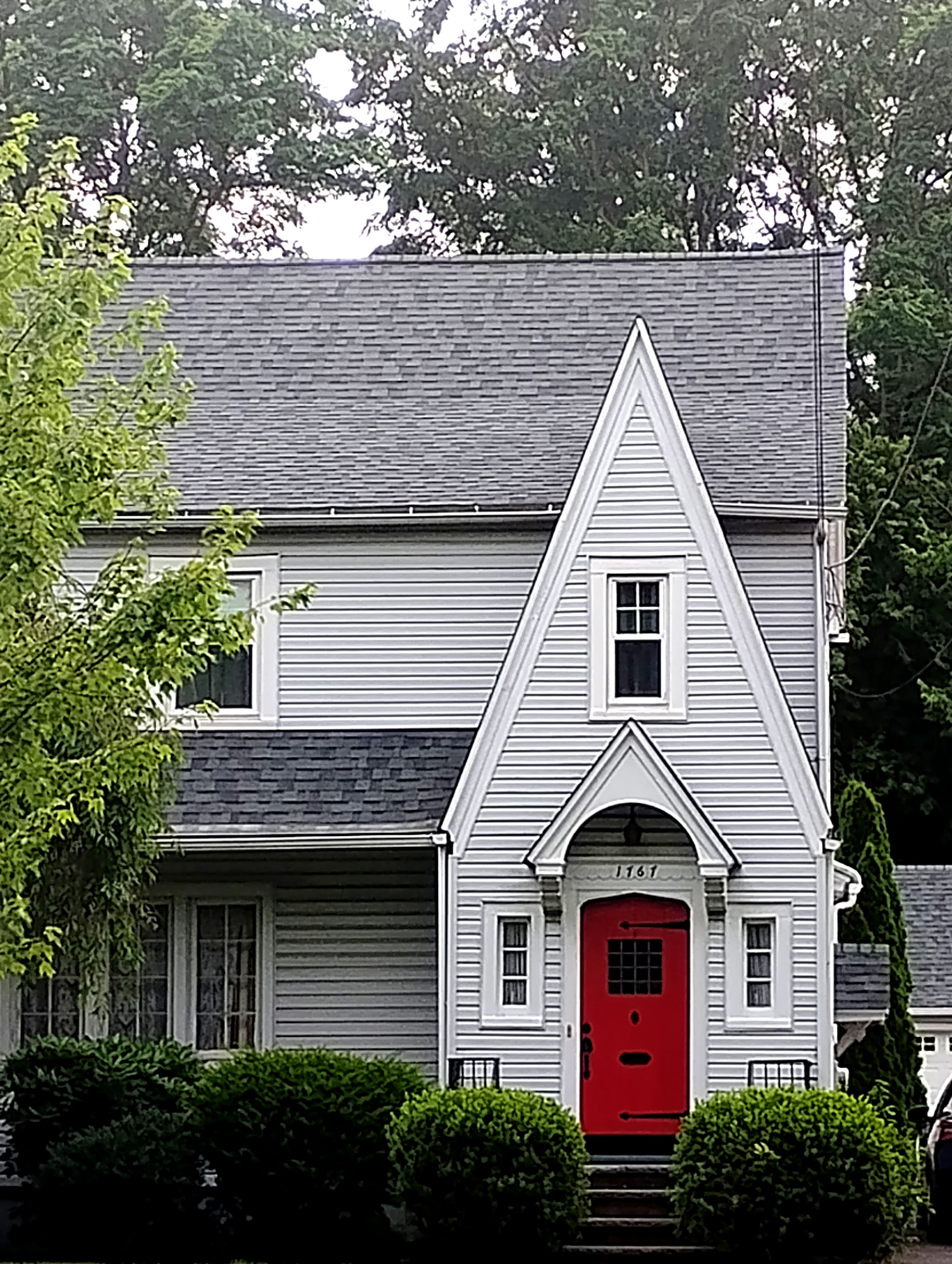
Engineered Wood Balances Classic Visuals and Modern Durability.
Key Takeaways
- Stone foundations give homes character but require careful attention during siding repairs.
- Uneven surfaces and moisture wicking are common challenges in NEPA homes.
- Proper flashing, moisture barriers, and regular inspections ensure siding lasts for decades.
- Homes in Kingston, Dallas, and Shavertown may face unique weather-related stresses and need extra care.
Repairing or replacing siding on a stone foundation isn’t just about aesthetics—it’s about protecting the integrity of your home for years to come. Local expertise, attention to detail, and climate-aware practices are the keys to a job done right.