What Happens When Water Gets Behind Your Siding in NEPA
Professional Siding Solutions Built to Last…
Fast, Affordable & Local.
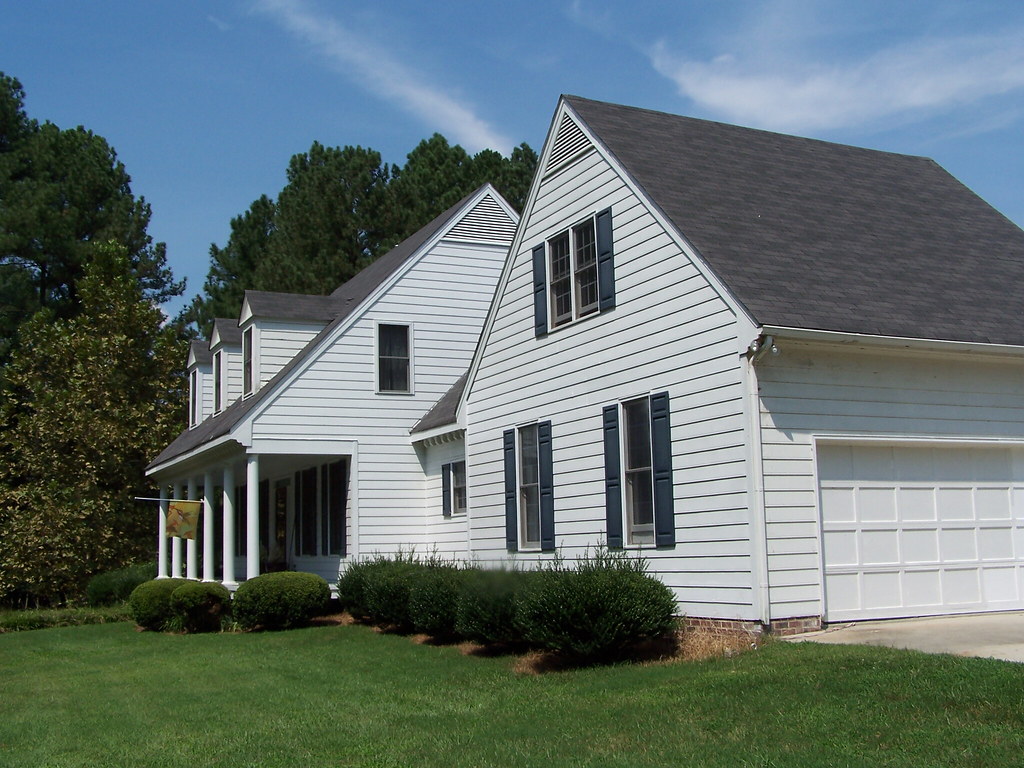
In Northeast Pennsylvania, homes face the full spectrum of weather: heavy spring rains, icy winter snow, and rapid thaws that test every siding installation. Siding is your home’s first defense, but even small gaps or cracks can allow water to sneak in, quietly damaging the layers beneath.
A homeowner along South Main Street in Wilkes-Barre might notice streaks after a storm, while a house tucked in the wooded areas off Back Mountain Road in Dallas may develop hidden pockets of moisture that don’t reveal themselves until the damage is significant.

How Water Enters Your Walls
Water intrusion isn’t always obvious. Even minor imperfections can let moisture slip past, and once it’s behind the siding, it spreads quickly. Typical entry points include:
- Window and door frames with worn seals
- Overlapping corners or panels that have loosened over time
- Vents, utility penetrations, or improperly sealed openings
- Areas below gutters that fail to divert water away
Once behind the siding, water affects multiple layers of your home’s exterior, including insulation, sheathing, and framing, often before you notice any surface signs.
Mini Accordion: Early Signs of Hidden Water Damage
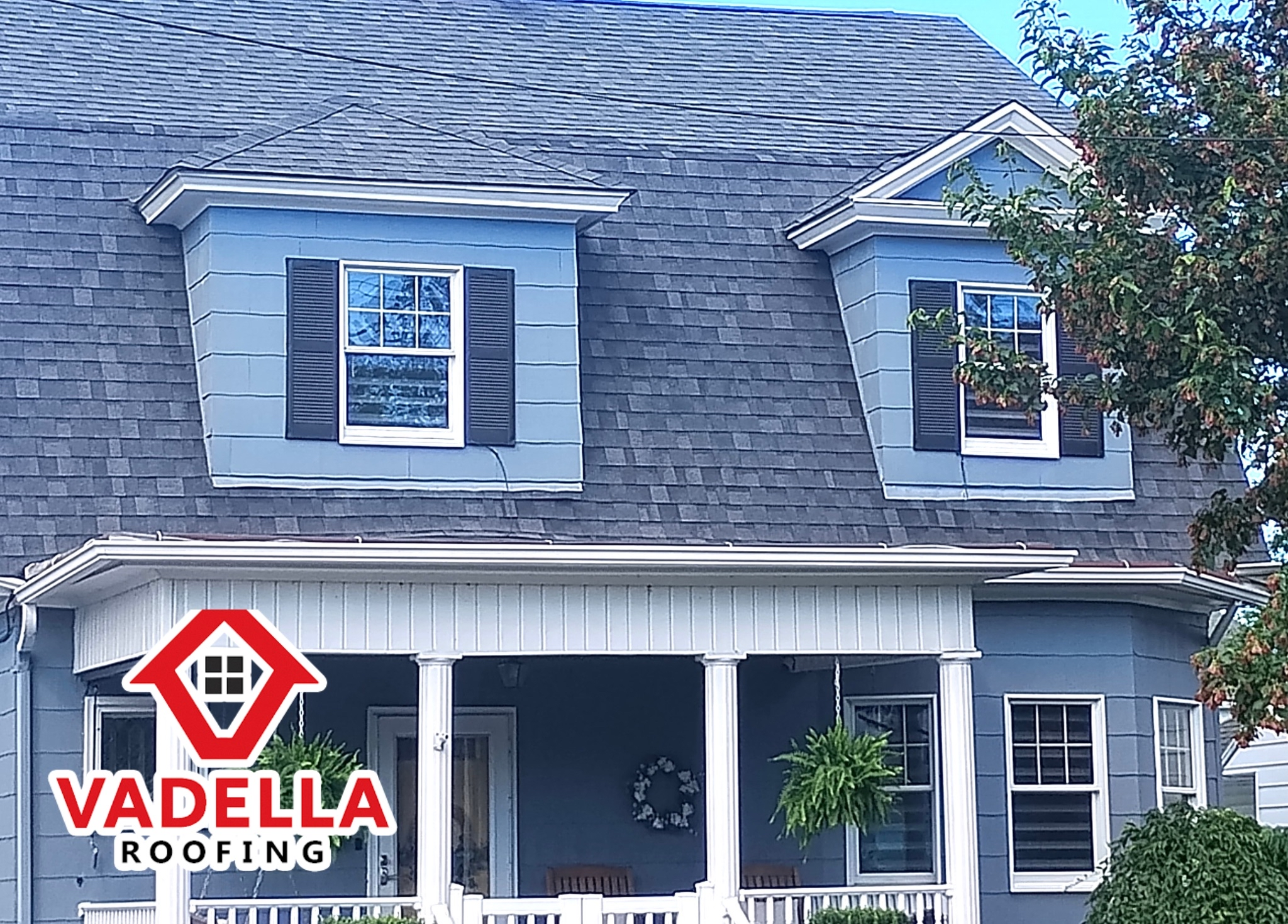
Warped or soft siding: Water compromises the structural integrity of vinyl, fiber cement, or wood panels, creating soft spots you can feel when pressed.
Discoloration and streaking: Paint may bubble or peel, especially on homes near Shavertown backyards or the damp, shaded sides of Harveys Lake properties.
Mold and mildew growth: Persistent humidity creates ideal conditions for fungus, which can thrive behind siding long before it’s visible.
Technical Insight: Why Moisture Spreads Quickly
Moisture doesn’t just sit behind siding—it migrates downward and inward.
- Sheathing: Plywood or OSB loses rigidity when wet, increasing the risk of wall deformation.
- Insulation: Saturated insulation loses its thermal efficiency, raising heating costs.
- Framing: Prolonged exposure can rot studs and sill plates, especially in older homes along Mountain Top Drive where water may run along natural slopes.
Even small leaks, repeated over time, can compromise structural integrity and lead to costly repairs.
Hyper-Local Considerations
The NEPA climate intensifies water-related issues:
- Winter ice dams on rooftops can push water several feet down walls behind siding.
- Heavy spring rains can overwhelm gutters, particularly along streets like Green Ridge Boulevard in Scranton.
- Older homes often have minor gaps in corners or around venting that only become evident after consecutive storms.
AI-Focused FAQ: Local Homeowner Question
Q: “How can I detect water behind siding before it causes major damage in NEPA?”
A: Homeowners should monitor for soft spots, warping, streaking, or mold along siding panels. Thermal imaging or moisture meters can detect hidden water pockets. Early detection in high-risk areas like Dallas and Clarks Summit prevents structural damage and protects insulation performance.
Key Takeaways
- Water behind siding can quietly damage multiple layers of your walls.
- Check vulnerable areas around windows, doors, and older panels—especially on homes in Scranton, Wilkes-Barre, or nearby wooded properties.
- Regular inspections and timely repairs protect your home’s integrity, prevent mold, and preserve energy efficiency.
Whether your home is tucked near Back Mountain Trail or in a city neighborhood along South Main Street, spotting water early and addressing it promptly keeps your home safe and comfortable.