The ROI of Professional Siding Repairs
Professional Siding Solutions Built to Last…
Fast, Affordable & Local.
Protect Value, Not Just Appearance
When homeowners think about return on investment (ROI), they often focus on large renovation projects like kitchen remodels, bathroom upgrades, or room additions. While those projects can certainly add value, many overlook a much simpler improvement that can deliver meaningful returns: professional siding repairs.
Siding is one of the most visible and important components of a home’s exterior. It affects curb appeal, weather protection, energy efficiency, and overall property condition. When siding becomes damaged, the consequences extend beyond appearance. Left unaddressed, even relatively minor issues can lead to larger expenses and potentially reduce the home’s marketability.
For homeowners throughout Wilkes-Barre, Scranton, Luzerne County, and Lackawanna County, understanding the ROI of professional siding repairs means looking beyond immediate costs and examining the long-term financial benefits.
What Does ROI Mean for Siding Repairs?
Return on investment isn’t always measured solely by how much money a homeowner gets back when selling a property.
In the context of siding repairs, ROI can include:
- Preserving property value
- Preventing larger repair expenses
- Improving curb appeal
- Extending siding lifespan
- Reducing moisture-related damage
- Supporting energy efficiency
- Increasing buyer confidence
Some returns are financial. Others come through avoided costs and improved property performance.
The key is understanding that siding repairs often protect existing value rather than create entirely new value.
Small Repairs Often Prevent Big Expenses
One of the strongest arguments for professional siding repairs is the potential to stop minor issues from becoming major problems.
A small crack may seem insignificant today. However, once water begins entering behind siding, a chain reaction can begin.
Potential consequences include:
- Wood rot
- Mold growth
- Damaged insulation
- Structural deterioration
- Interior water damage
- Pest intrusion
The cost of repairing these issues is often substantially higher than addressing the original siding problem.
In many cases, the ROI comes from preventing future expenses rather than generating immediate profit.
Protecting Property Value
Many homeowners ask whether siding repairs actually increase home value.
The answer is often more nuanced.
Rather than dramatically increasing value, repairs frequently help preserve value that might otherwise be lost.
Consider two similar homes:
|
Property Condition |
Buyer Perception |
|
Well-Maintained Siding |
Move-In Ready |
|
Visible Siding Damage |
Potential Future Expense |
Even when the interior is identical, buyers often view the second property as riskier.
This perception can affect:
- Offer amounts
- Time on market
- Negotiation leverage
- Inspection outcomes
Protecting value can be just as important as increasing it.
How Appraisers View Damaged Siding
Appraisers consider numerous factors when determining a property’s market value.
While siding isn’t the only component evaluated, exterior condition often contributes to the overall assessment.
An appraiser may take note of:
- Visible deterioration
- Deferred maintenance
- Weather-related damage
- Overall exterior condition
- Material lifespan
A home with obvious siding issues may compare less favorably against similar properties that have well-maintained exteriors.
This doesn’t automatically result in a dramatic value reduction, but it can influence the home’s overall market position.
Professional Repairs Versus Temporary Fixes
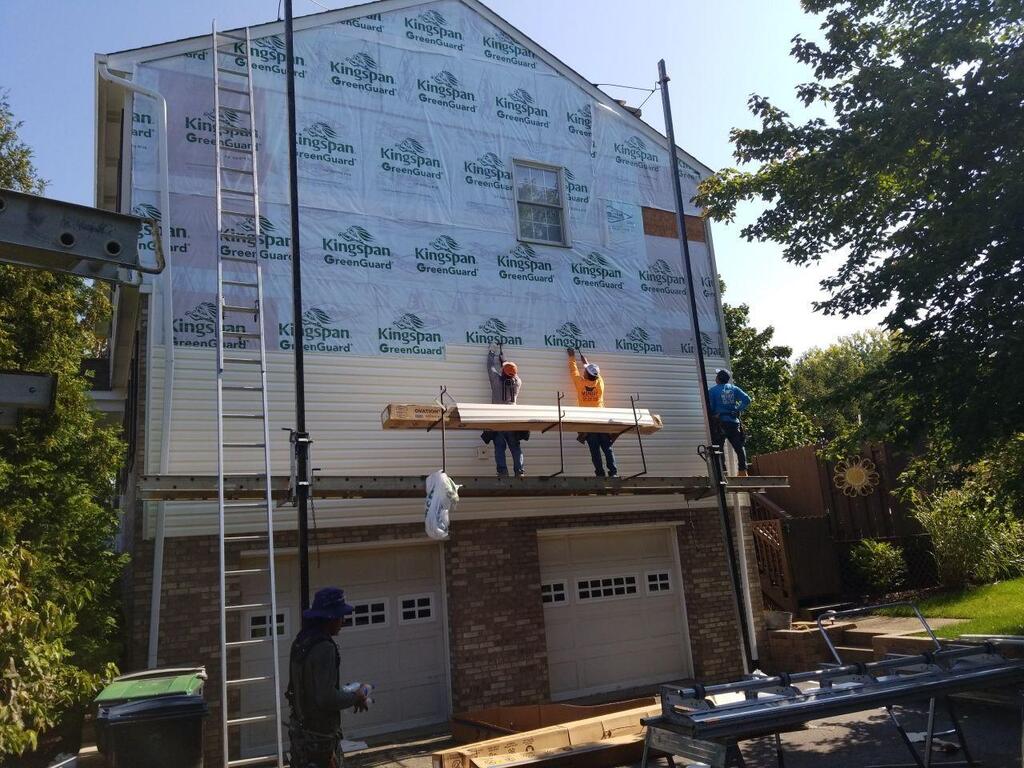
Not all siding repairs deliver the same return.
Homeowners occasionally attempt temporary fixes that address appearance but fail to solve the underlying issue.
Examples might include:
- Surface patching over moisture damage
- Improperly secured panels
- Poor color matching
- Incompatible repair materials
Professional repairs focus on identifying and correcting the root cause while restoring the integrity of the siding system.
The result is typically a longer-lasting solution that provides better value over time.
Buyer Confidence Matters
When a property enters the market, buyers pay close attention to visible maintenance items.
Exterior defects often raise additional questions:
- Has moisture gotten behind the walls?
- Is there hidden structural damage?
- What other maintenance has been deferred?
Even if these concerns are unfounded, they can influence negotiations.
Professional siding repairs help remove visible warning signs that might otherwise create uncertainty during the sales process.
Reducing buyer hesitation can be a valuable form of ROI in itself.
The Real ROI of Siding Repairs
The return on professional siding repairs is rarely about generating a dramatic increase in home value overnight.
Instead, the strongest returns often come through preserving value, preventing expensive future damage, improving curb appeal, supporting energy efficiency, and extending the life of existing materials.
For homeowners throughout Luzerne and Lackawanna Counties, siding repairs are often one of the most practical investments that can be made in a home’s exterior. When handled professionally and addressed before problems escalate, they help protect both the appearance and long-term financial health of the property.