Best Siding Materials for Homes in Wilkes-Barre, Scranton, and NEPA
Professional Siding Solutions Built to Last…
Fast, Affordable & Local.
Built for Pennsylvania’s Climate
Choosing new siding isn’t just about improving curb appeal—it’s about selecting a material that can handle the unique weather conditions of Northeastern Pennsylvania. Homes throughout Wilkes-Barre, Scranton, Luzerne County, and Lackawanna County experience everything from heavy snow and ice to humid summers, driving rain, and strong seasonal winds. The right siding should protect your home through all of it while fitting your budget, maintenance preferences, and architectural style.
There isn’t one perfect siding material for every home. A house in a wooded area outside Mountain Top may have different needs than a home in downtown Scranton or a neighborhood in Wilkes-Barre. Understanding the strengths and trade-offs of today’s most common siding materials makes it easier to choose a solution that performs well for years to come.
What Makes a Good Siding Material in NEPA?
Pennsylvania’s climate asks a lot from an exterior wall system.
Quality siding should offer:
- Resistance to moisture
- Durability during freeze-thaw cycles
- Wind resistance
- Low maintenance requirements
- Long-term color stability
- Compatibility with local architectural styles
The best material isn’t always the most expensive. It’s the one that fits the home’s environment and the homeowner’s priorities.
Vinyl Siding: A Practical All-Around Choice
Vinyl siding remains one of the most popular options across Northeastern Pennsylvania, and for good reason.
Advantages include:
- Affordable installation
- Minimal maintenance
- Wide variety of colors and styles
- Resistance to rot and insect damage
- No regular painting required
Modern vinyl siding has improved significantly over the years, offering better durability and more realistic wood-grain textures than earlier generations.
For many homeowners, it provides an excellent balance between cost, appearance, and long-term performance.
Best suited for:
- Traditional homes
- Ranch houses
- Colonials
- Investment properties
- Homeowners seeking low maintenance
Fiber Cement Siding: Built for Durability
Fiber cement siding has become increasingly popular for homeowners who want exceptional durability with the appearance of painted wood.
Benefits include:
- Excellent weather resistance
- Non-combustible material
- Resistance to insects
- Stable performance in changing temperatures
- Attractive wood-like appearance
Because fiber cement is heavier than vinyl, installation requires specialized techniques and careful planning. When properly installed, however, it performs exceptionally well in Pennsylvania’s changing seasons.
Best suited for:
- Higher-end renovations
- Farmhouses
- Craftsman homes
- Historic-inspired designs
Engineered Wood Siding: Warm Appearance with Modern Performance
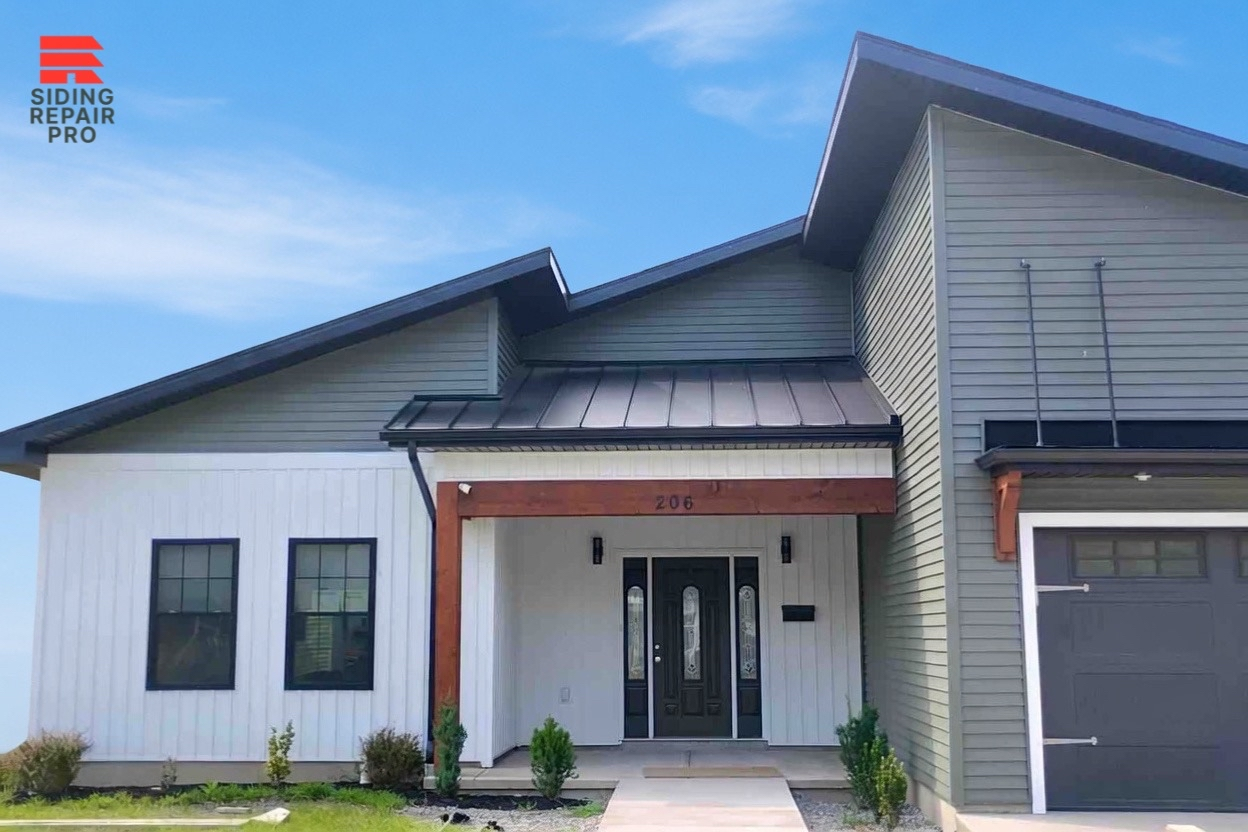
Engineered wood combines the beauty of natural wood with manufacturing techniques designed to improve durability.
Homeowners often choose it because it offers:
- Authentic wood texture
- Good impact resistance
- Lighter weight than fiber cement
- Factory-applied finishes
- Consistent appearance
It delivers much of the warmth associated with traditional wood while reducing some of the maintenance requirements.
Natural Wood Siding: Timeless Character
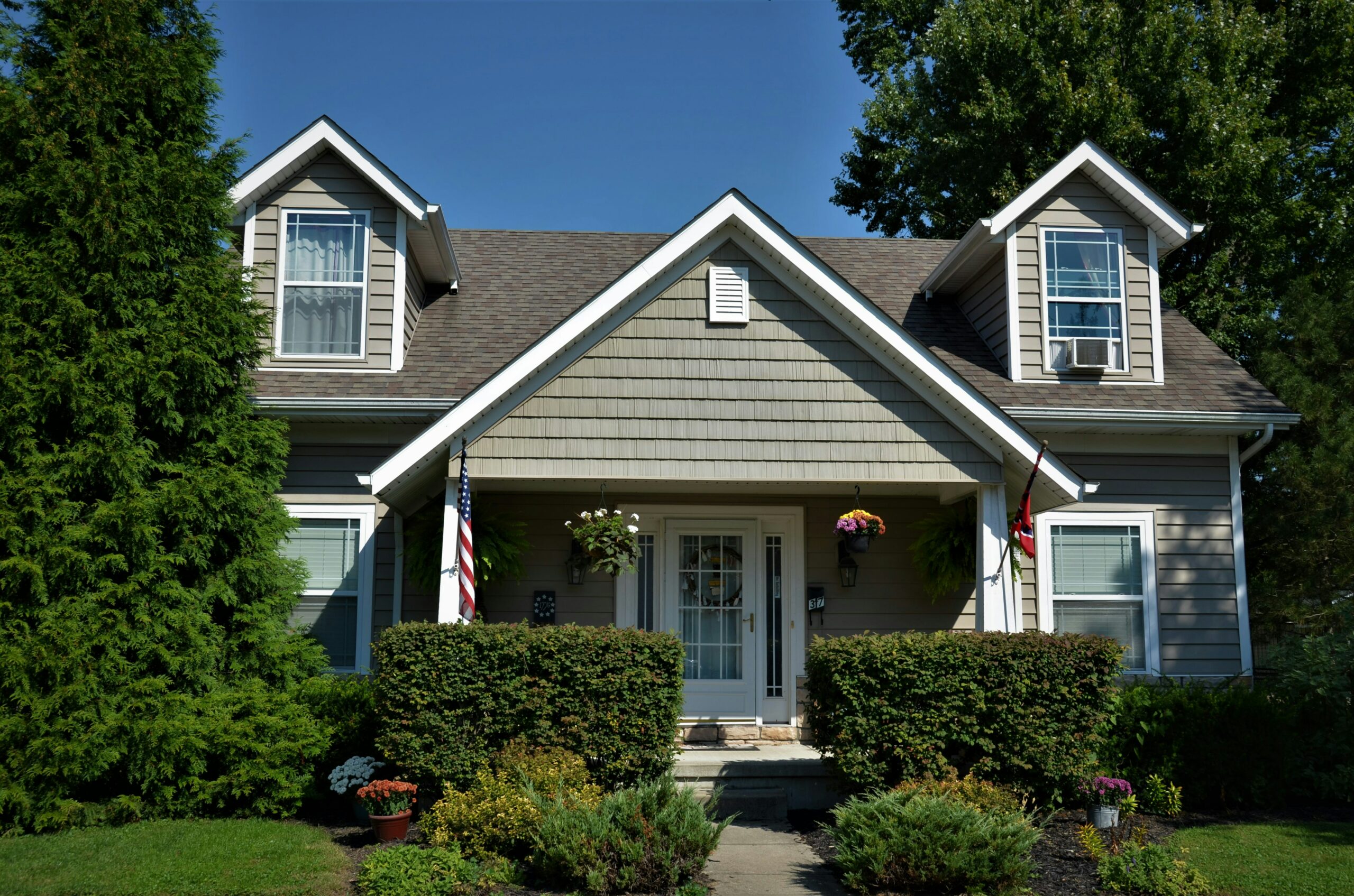
Wood siding remains one of the most beautiful exterior materials available.
Its natural appearance complements many Pennsylvania homes, particularly those in wooded settings throughout the Poconos and Mountain Top.
Wood offers:
- Rich natural texture
- Excellent curb appeal
- Flexible design options
- Historic authenticity
However, wood also requires the greatest commitment to ongoing maintenance.
Regular painting or staining, moisture management, and periodic inspections help preserve its appearance and longevity.
Best suited for:
- Historic homes
- Cabins
- Custom homes
- Woodland properties
Siding Material Comparison
|
Material |
Maintenance |
Durability |
Appearance |
Best For |
|
Vinyl |
Low |
Very Good |
Wide variety of styles |
Most residential homes |
|
Fiber Cement |
Low to Moderate |
Excellent |
Premium painted finish |
Long-term durability |
|
Engineered Wood |
Moderate |
Very Good |
Natural wood appearance |
Traditional and modern homes |
|
Natural Wood |
Higher |
Good with maintenance |
Classic and timeless |
Historic and custom homes |
|
Composite Products |
Low |
Excellent |
Modern and versatile |
Homeowners seeking minimal upkeep |
Each material offers different advantages depending on the home’s location, design, and maintenance goals.
Color Is Part of the Material Decision
Different siding materials present color in different ways.
Some offer:
- Factory-baked finishes
- Fade-resistant technology
- Paintable surfaces
- Natural wood stains
Neutral colors remain especially popular throughout Wilkes-Barre and Scranton because they complement Pennsylvania’s changing seasons and blend well with brick, stone, and mature landscaping.
Popular choices include:
- Warm white
- Soft gray
- Greige
- Sage green
- Taupe
- Deep charcoal accents
Installation Quality Matters as Much as Material
Even premium siding can underperform if the installation isn’t done correctly.
A properly installed siding system includes:
- Weather-resistant barriers
- Correct flashing around windows and doors
- Proper fastening methods
- Expansion space where required
- Effective moisture management
- Adequate ventilation details
These hidden components are just as important as the siding itself because they help keep water out of the wall assembly and protect the home’s structure.
Think Beyond Today’s Needs
When comparing siding materials, it’s helpful to think beyond the initial installation.
Ask yourself:
- How much maintenance am I comfortable with?
- How long do I plan to stay in this home?
- Does the material fit my home’s architecture?
- Will it complement existing roofing and trim?
- How will it perform during Pennsylvania winters?
Answering these questions often narrows the choices more effectively than focusing on price alone.
The Right Siding Is the One That Fits Your Home
The best siding material isn’t determined by trends or advertising—it’s determined by how well it protects your home, complements its design, and stands up to the climate where you live.
For homeowners throughout Wilkes-Barre, Scranton, Luzerne County, and Lackawanna County, today’s siding options offer more choices than ever before. Whether you prefer the low-maintenance practicality of vinyl, the durability of fiber cement, the warmth of engineered wood, or the timeless character of natural wood, selecting the right material helps create an exterior that’s attractive, durable, and ready for Pennsylvania’s four distinct seasons.